In the dynamic financial landscape of India, where inflation, medical costs, and economic uncertainty can rapidly disrupt our well-laid plans, one foundational principle stands tall — building an emergency fund. Whether you're a salaried professional, business owner, or a gig worker, an emergency fund is your first line of defense against financial instability.
What is an Emergency Fund?
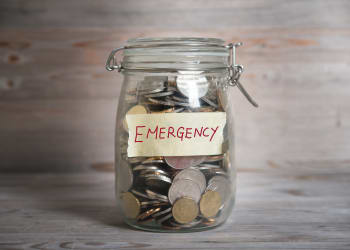
An emergency fund is a separate reserve of money set aside to cover unexpected expenses — job loss, medical emergencies, car repairs, or urgent travel. It is not for planned events like weddings or vacations but purely for emergencies that catch you off-guard.
Why is it So Important in India Today?
-
Job Market Volatility: With startups downsizing and sectors like IT and edtech seeing frequent layoffs, a 3–6 month cushion of expenses can be life-saving.
-
Healthcare Costs: Even with health insurance, out-of-pocket expenses and exclusions can create financial strain.
-
Natural Disasters or Family Crises: India experiences everything from floods to unexpected family obligations — things that can upend your finances.
-
Peace of Mind: Knowing you’re protected gives you confidence to take calculated risks — be it switching jobs, starting a business, or investing.
How Much Should You Save?
A good rule of thumb:
-
Salaried Individuals: 3 to 6 months of monthly expenses (rent, EMIs, bills, groceries).
-
Self-Employed/Freelancers: 6 to 12 months, since your income may not be consistent.
💡 Example: If your total monthly expenses are ₹50,000, aim for ₹1.5 to ₹3 lakh as a buffer.
Where to Park the Emergency Fund?
Your emergency fund should be:
-
Accessible: You should be able to withdraw money immediately when needed.
-
Safe: Avoid risky investments; this is not for returns.
-
Separate: Don’t mix it with your regular savings or investment accounts.
Best Options in India:
-
High-interest savings accounts
-
Liquid mutual funds
-
Fixed deposits with premature withdrawal options
Common Mistakes to Avoid
❌ Using credit cards as emergency backup
❌ Keeping emergency funds in volatile assets like stocks
❌ Dipping into the fund for non-emergency expenses
❌ Not reviewing it annually based on inflation and lifestyle changes
Final Thoughts
Think of your emergency fund as the foundation of your financial house. Before you build wealth, invest in stocks, or chase high returns — secure your base. Life is unpredictable, but your financial health doesn’t have to be.
If you haven’t started one yet, begin with a small amount today. Even ₹1,000 a week can compound into a sizeable buffer over time.